The Asenomil Reference Range
Eight documented frameworks covering the full spectrum of structured everyday eating — from whole-food sourcing and pantry architecture through batch preparation protocols and seasonal rotation calendars. Each framework is indexed by preparation time, nutritional density output, and ingredient accessibility within the United Kingdom.
Eight Documented Nutritional Modules
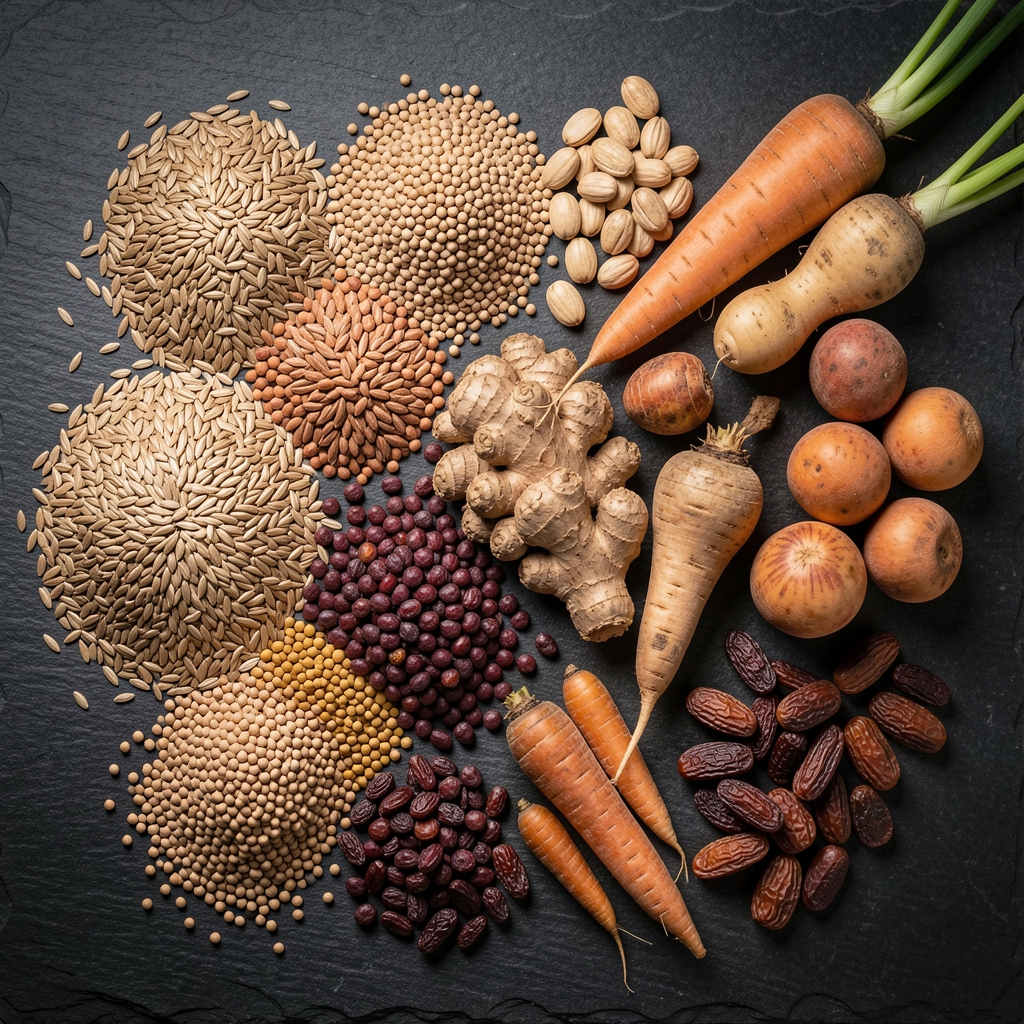
Whole-Food Sourcing Framework
A structured procurement guide covering seasonal availability windows for UK markets, quality indicators across produce categories, and a chain-of-custody notation system for farmers' market and direct-supplier purchasing. Ingredient profiles are cross-referenced against the UK FSA compositional database.
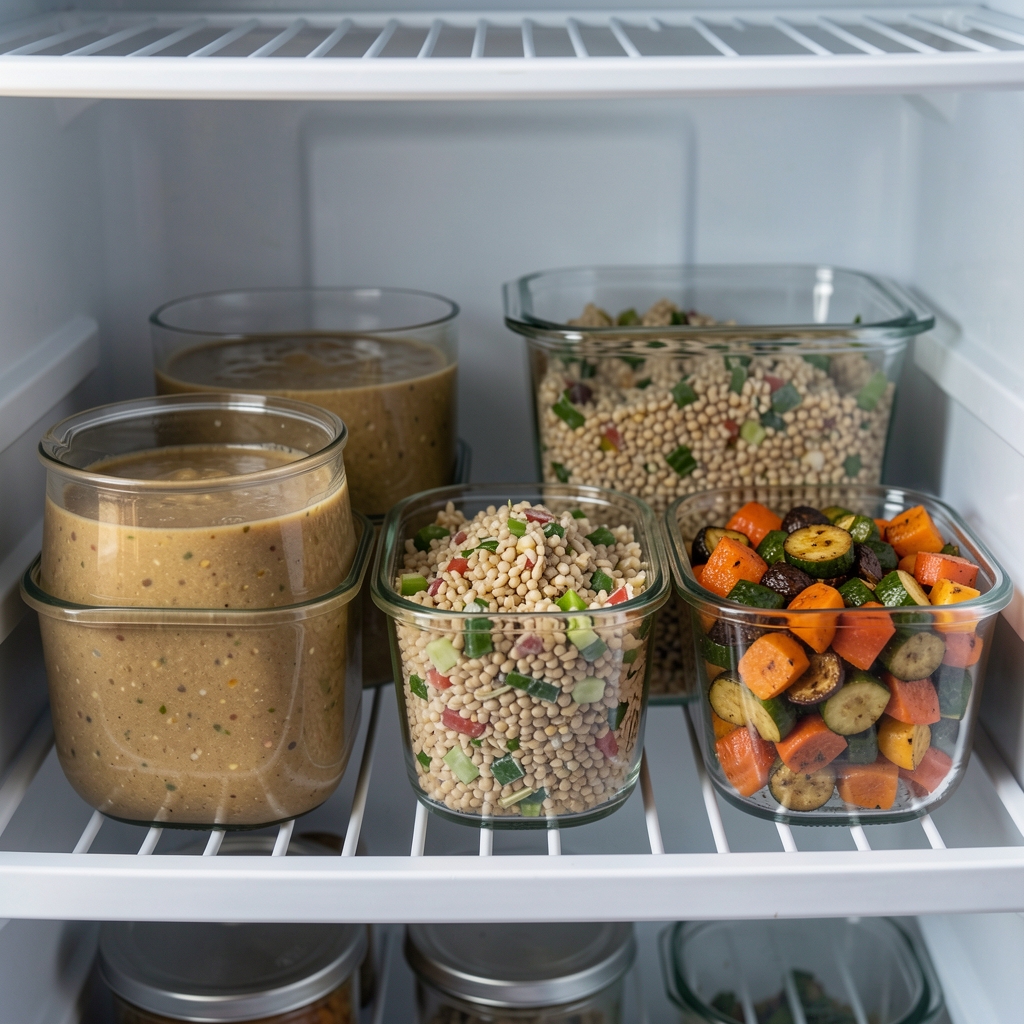
Batch Preparation Protocol
A ninety-minute weekly preparation framework producing five days of nutritionally calibrated base components — grain stocks, roasted vegetable sets, and legume preparations — assembled into varied daily meals.
Seasonal Rotation Calendar
A twelve-month ingredient rotation schedule aligned to UK growing seasons and import availability. Nutritional density comparisons across seasonal and non-seasonal variants are annotated for each entry.
Portion Calibration System
A visual and volumetric portion reference guide built around household serving vessels — no food scales required. Fibre, protein, and complex carbohydrate ratios are maintained across all portion size variants.
Plant-Forward Recipe Archive
Sixty-four annotated recipes structured around legume and whole-grain primary components. Each recipe carries a preparation time index, macronutrient profile, and fibre-density annotation.
Food-Label Literacy Guide
A structured reading framework for UK nutritional declarations, ingredient lists, and additive nomenclature. Covers QUID labelling, traffic-light systems, and Reference Intake calculations as applied to common product categories.
Gut-Friendly Composition Module
Fermentation protocols, prebiotic fibre sourcing, and fermented food integration guides. Includes preparation procedures for kefir, kimchi, and lacto-fermented vegetable stocks using standard UK kitchen equipment.
Anti-Inflammatory Ingredient Reference
A catalogue of whole-food ingredients with documented compositional profiles, cross-referenced against published nutritional research on dietary patterns and long-term wellbeing. Sourcing notes and UK retail availability included.
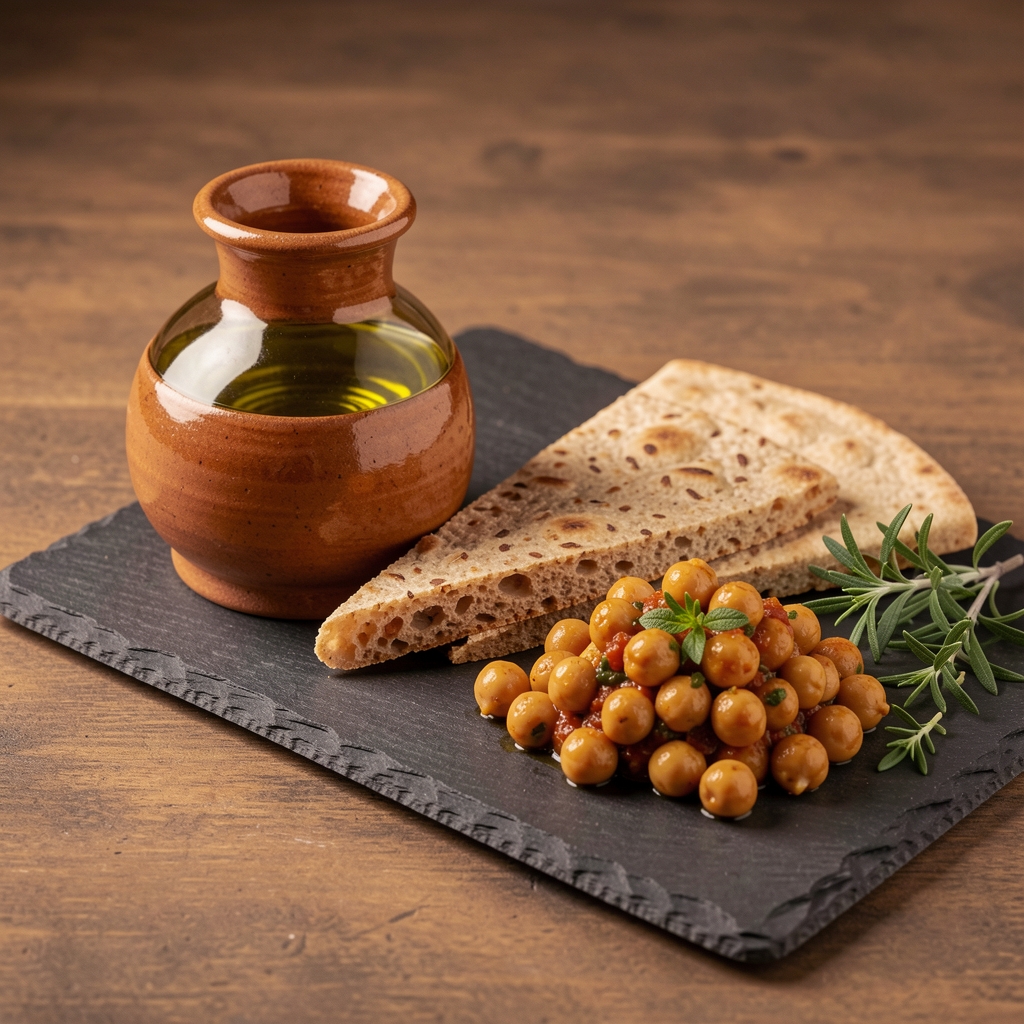
Mediterranean Reference — Archive Entry 12-B
Mediterranean-Style Eating: The Structural Reference
Among documented whole-food dietary frameworks, the Mediterranean pattern carries the most extensive published research base. Its structural principles — olive oil as primary fat, pulses as primary protein source, seasonal vegetables as primary volume component — are reproducible across different geographies and cooking traditions without requiring ingredient-specific imports.
The Asenomil Mediterranean reference adapts the structural logic for UK household contexts: substituting locally available oily fish, incorporating UK-grown legumes, and aligning seasonal vegetable selections to British growing calendars rather than Mediterranean ones.
Ingredient profiles in Asenomil frameworks are selected based on published nutritional research and undergo independent batch verification for quality and labelling accuracy.
Slow Cooking & Pantry Architecture
The slow-cooking module documents the compositional advantages of extended low-heat preparation: collagen conversion, starch gelatinisation, and the degradation of antinutrient compounds in legumes and grains. Preparation time for each protocol is divided into active time and passive time — reflecting the reality that a six-hour slow-cook requires fewer than twenty minutes of active preparation.
The pantry architecture guide identifies twenty-two core dry and preserved goods that produce the greatest range of nutritionally complete meals per unit of storage space. Each item is assessed for shelf life, nutritional density per 100g, and preparation flexibility across the Asenomil recipe archive.
Slow Cooker Protocols
Eight documented slow-cook frameworks with active/passive time breakdowns and nutritional output notes per serving.
Pantry Staples Index
Twenty-two core items, each with shelf life, density annotation, and a cross-reference to all compatible framework recipes.
Cooking from Scratch Methods
Foundational technique guides — stock production, grain soaking ratios, and legume preparation sequences — that underpin the entire recipe archive.
Frequently Asked Questions
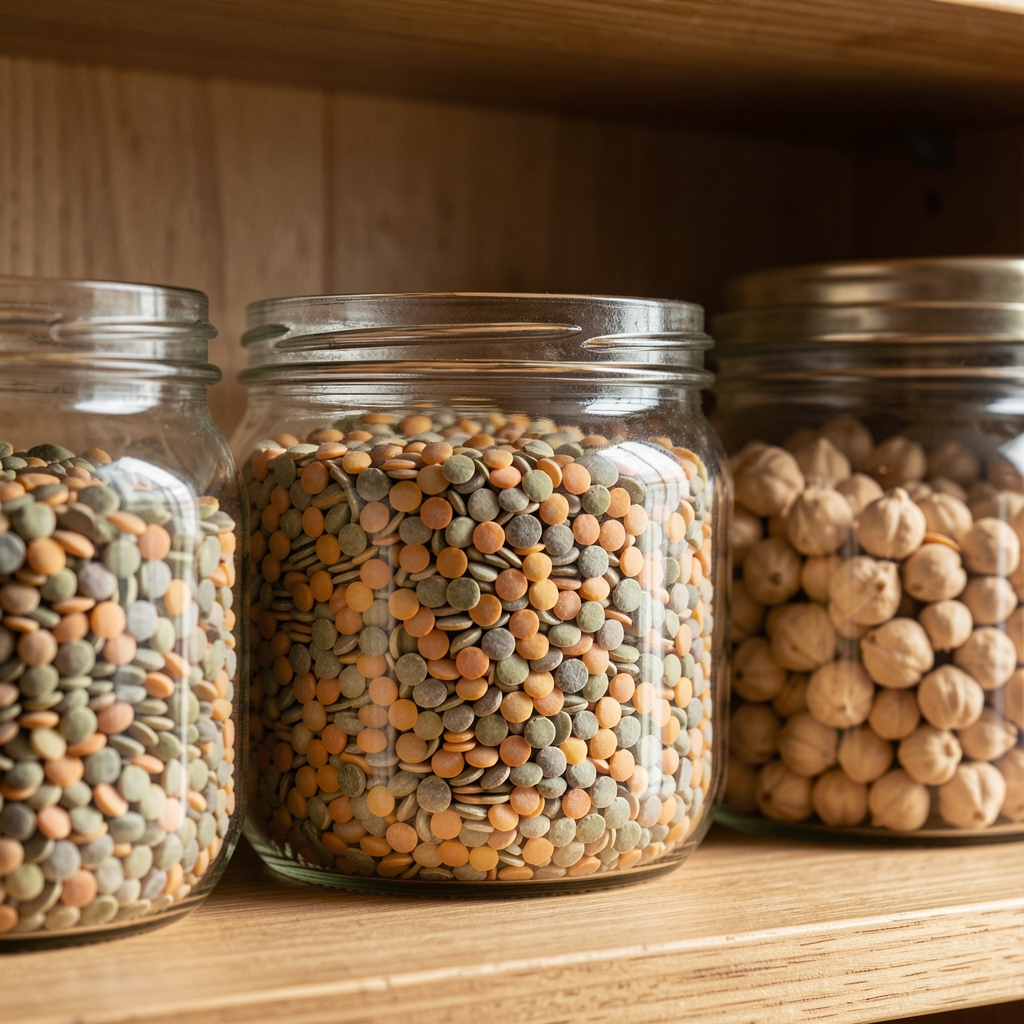
Pantry Architecture — Legume Index

Autumn Seasonal Set — Q4 Rotation
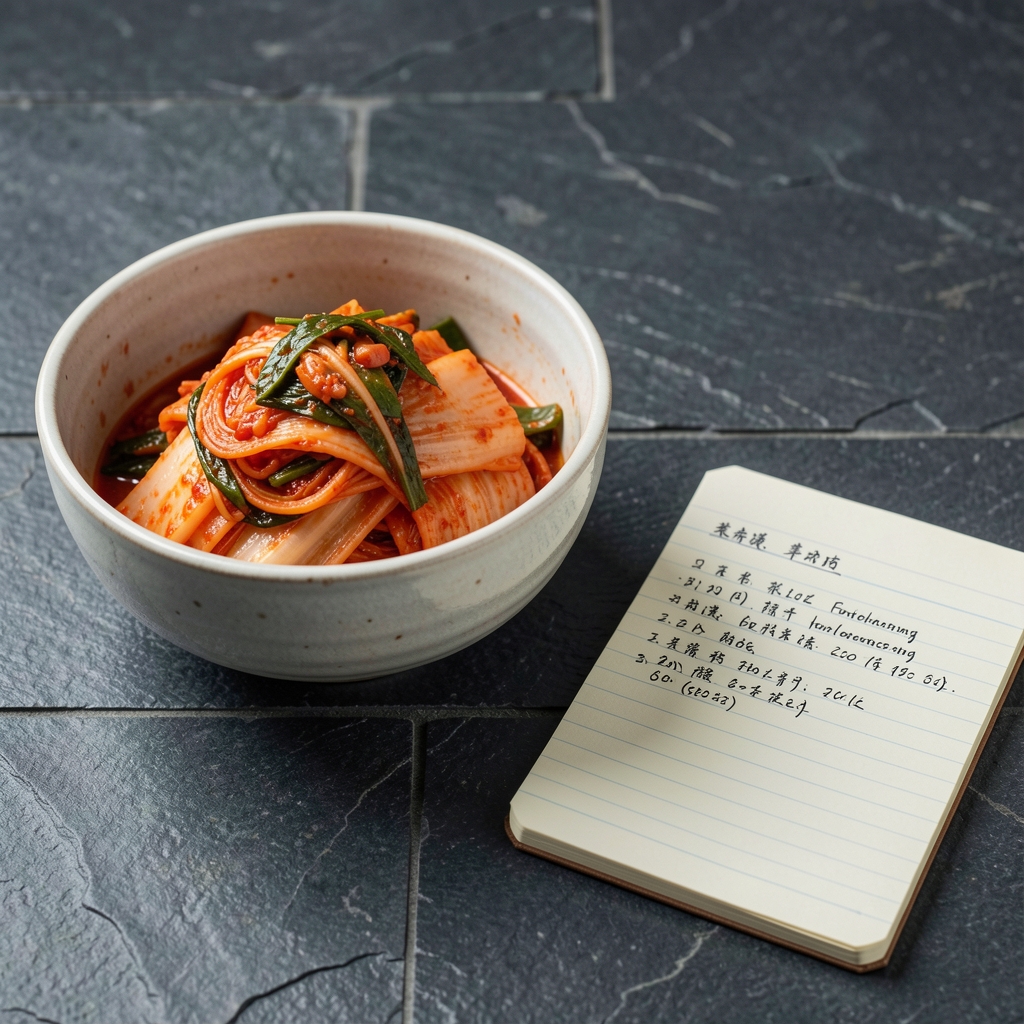
Fermentation Protocol — Batch 07-C
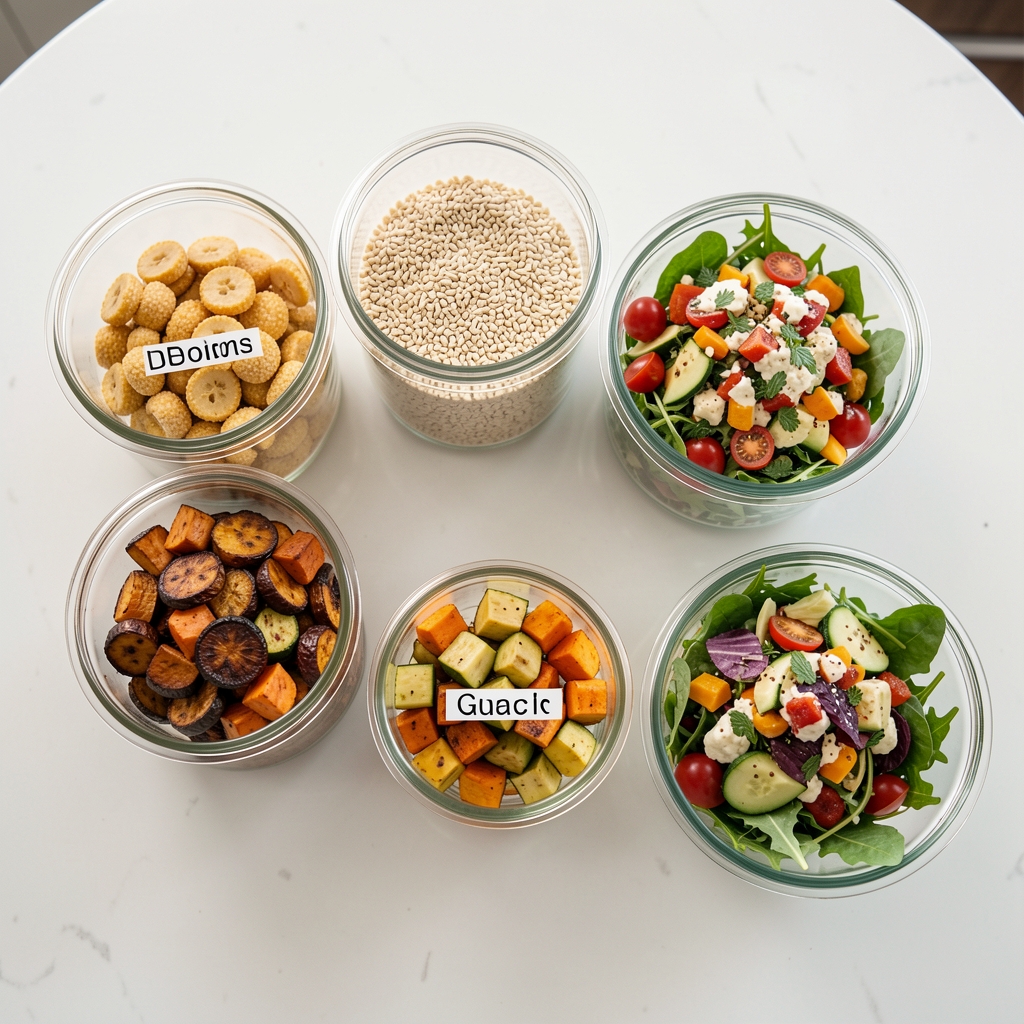
Batch Prep Session — Protocol 03
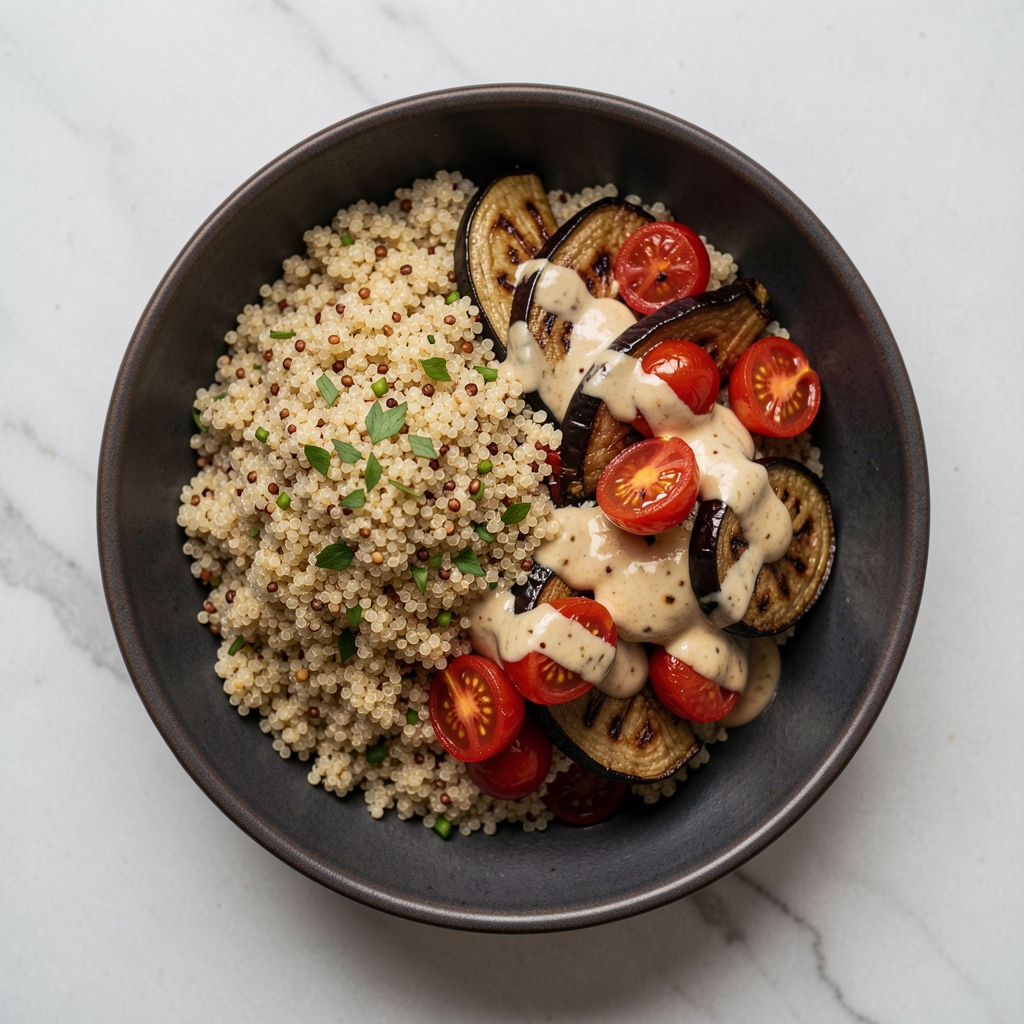
Mediterranean Composition — Recipe 14
Enquire About Framework Access
Contact the Asenomil team to discuss access to the full reference archive and framework documentation.